Sharing the blame
2002… and early 2006
Since Bink had got ill at the turn of the century, my own mental health – for want of a better phrase – had been in pretty rough shape.
Every year or two, when seeing my GP anyway, I would say, “I don’t suppose there’s much you can do about this, but I do have symptoms of depression.”
I would then be offered pills. Say no thanks. And that would be that.
On one such occasion in the early years of the millennium, the GP offered me, instead, a luxurious choice: happy pills or talk therapy. There was, she said, nothing else. Since pills remained a useless suggestion (my taking them wouldn’t make Bink well, would it?) and I reasoned not much damage could ensue from simply talking (how little I still knew!) I was referred to a psychologist. Who was about fifteen.
So I told her the story of Bink’s illness.
When she asked why I seemed so distressed (no, I’m not sure why she chose that profession either) I illustrated our daily struggles by describing the previous evening.
“Having children is hard work,” I explained patiently (yes, to this mental health professional). “You put a lot of effort and self-sacrifice into raising these small people. The family meal at the end of the day is payback time. When it all becomes worth it.”
I can’t remember how Bink’s illness had ruined that particular family supper the night before: it was such a common occurrence. Perhaps because she had the wrong marigolds on. Or needed the loo just when the food was ready so we all had to hide for half an hour. Or couldn’t eat the food.
One way or the other, family supper had been sabotaged. Yet again.
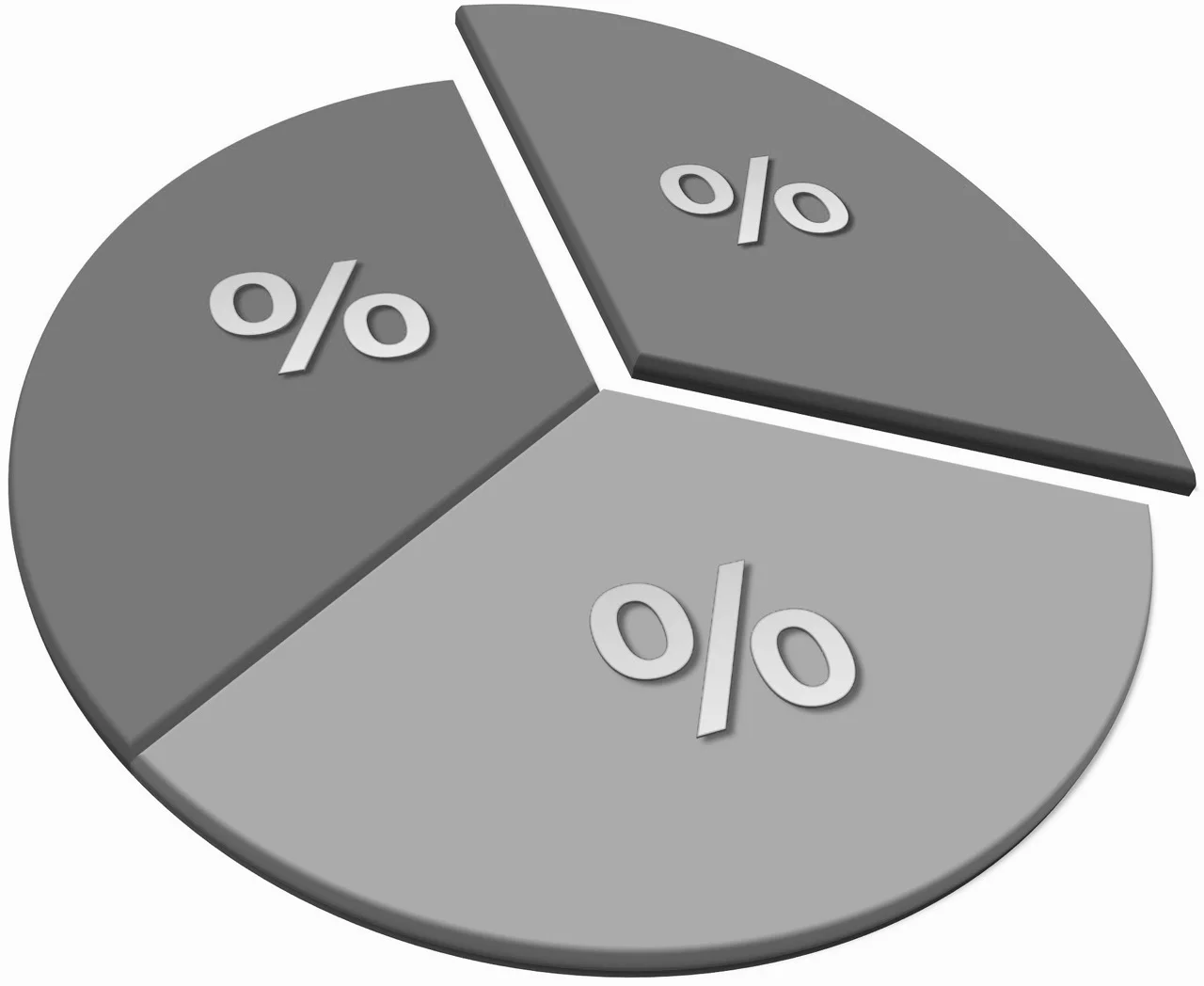
“Ok,” said the therapist. “Let’s make a pie chart.”
Look on the bright side: she didn’t suggest we made a model out of cardboard egg boxes, empty loo rolls and finger paints.
“So, if this is your evening together,” she draw a circle on paper, “how much of the meal being spoilt was your responsibility, and how much was it Bink’s?”
Eh??
None of it was Bink’s, obviously. She was ill. And a child.
(Whatever the Florence Nightingale Unit had claimed about our having no parental rights. Everyone knows sixteen is still a child.)
Sigh.
“I suppose if it has to be one or the other, you’ll have to put it all down as my fault.”
“Well,” she said (as if I were five to her fifteen years). “Let’s say this much is your responsibility,” and she drew a segment of about 100º or so. “And this much is your husband’s,” ditto. “And other members of the family,” another segment. “Shall we say this much is Bink’s?” Final segment.
“Um... No. Not really. I don’t consider any of it her fault. Like I said, she’s ill.”
“Well then, how about this much?” And she reduced Bink’s share a little.
Which part of Not Bink’s Fault didn’t she understand?
By the end of the hour I was wrung out. It’s a pretty punishing process, talking about something so painful. I had spend most of it in tears. From which I had to argue with her about an ill child’s contribution to a ruddy pie chart. So I was very much hoping the sessions would eventually prove worth it. Because this one had left me a lot more battered than I went in.
As she wrapped up she suggested, if I would like another session, I should give her a ring.
“I would,” I said. I hadn’t gone through all that for nothing.
“Here’s my number. You can give me a ring when you’ve thought about it.”
“I don’t need to think about it. I would like more sessions please.”
Why would it help to go home and have to add making a telephone call to my to-do list?
“Well,” she said as if completely deaf – not conventionally on the list of qualities you hope your therapist has – “when you’ve decided, ring me on that number.”
I never did. Of course.
If her aim was to get rid of an argumentative patient, as it presumably was (unless she has also learnt in the Mickey Mouse School for Psychologists, along with Pie-Chart-Making-For-Cheering-Up, a lesson on Patients-Taking-Ownership-By-Showing-Initiative) she had succeeded.
So when it came to the beginning of 2006 – still homeless; still with more family-needing-help than I had help-to-go-round – I wasn’t at all surprised to find my mental health crumbling considerably further.