Anne Atkins

  • Home
  • Bink Bonkers
  • Non-Fiction
  • Novels
  • Journalism
  • Speaking
  • Broadcasting
  • Biography
  • An Elegant Solution
  • Thoughts for the Day
  • Anthem for Mary and David Briggs
  • Love Strong as Death
  • Contact
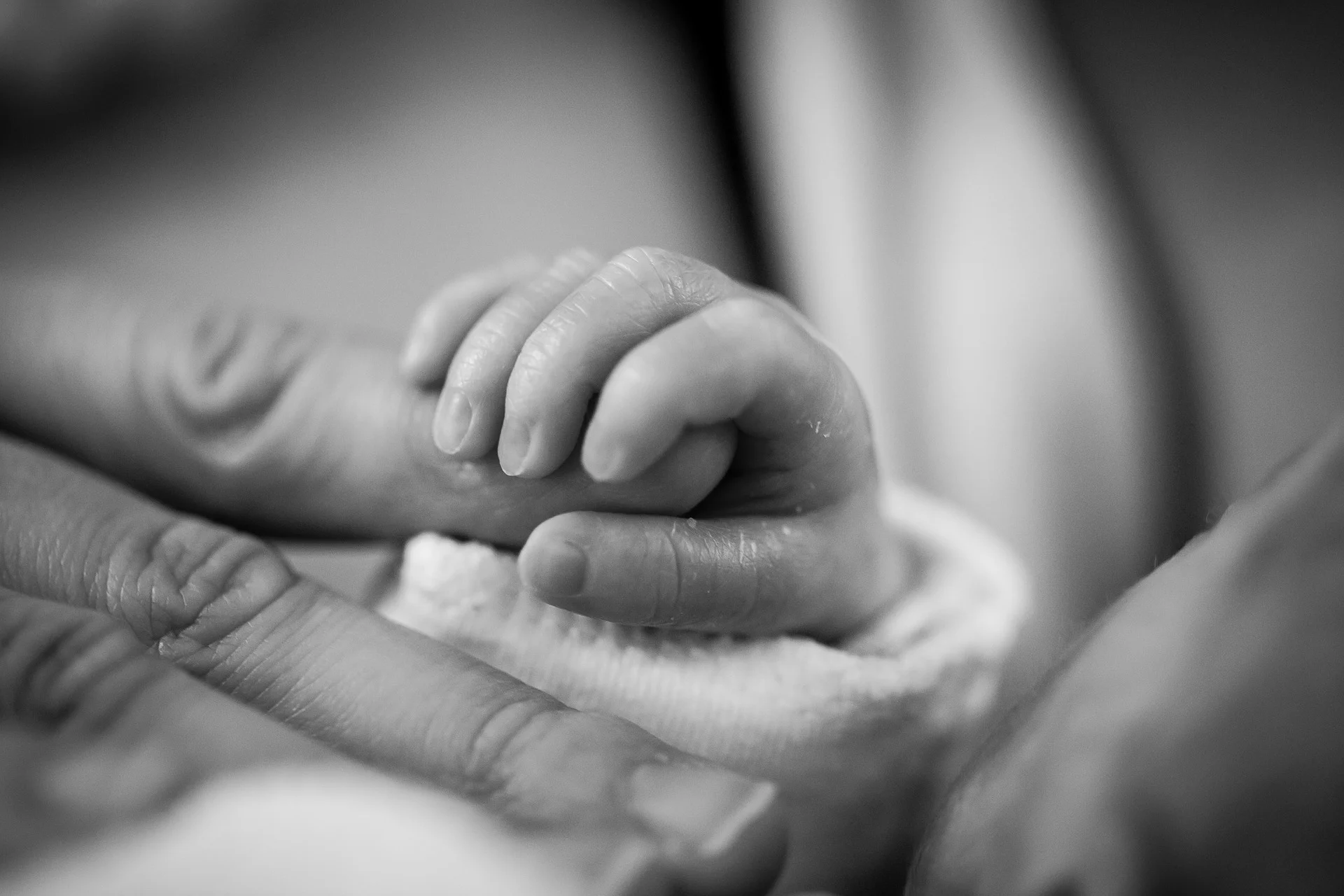
baby-1681181_1920.jpg

Why can't a woman be more like a man?

August 10, 2018 by Anne Atkins

Thursday 8th March 2018

“What shall I speak to the boys about today?” Shaun asked me as he was getting dressed. “It’s International World Women’s Day.”

“Hmm. Male Chaplain, talking to a Chapel full of boys, with a male head master and male head of the prep school?”

“Yup.”

If I could have one wish, specifically as a woman on behalf of other women, what would it be? We have the vote, which our forebears didn’t. We have degrees, which even my mother didn’t when she left Cambridge just before the war. We can keep working after marriage, which her generation couldn’t either, in many professions. We have economic dependence in theory, and now that even the CofE has capitulated I can’t think of many jobs we aren’t eligible for.

But we don’t have equality. Nowhere near. And no, I’m not talking about MeToo. (One equality I don’t have, for instance, is that I have no idea how or where to find a hashtag on my keyboard. Or indeed what on earth it’s for, but that a bit irrelevant because my husband Shaun probably wouldn’t know that either.)

I keep coming back to Shakespeare and Bach. Why are there no women Shakespeares and Bachs? True, there aren’t many male Shakespeares or Bachs either, but that’s not the point. The point is that there never could have been, and in some ways still couldn’t be today.

We have fixed much of it. As Virginia Woolf demonstrated so eloquently, the reason her fictional Judith Shakespeare, Will’s sister, hanged herself in despair rather than becoming a world treasure was because she didn’t have a Room of Her Own: it was quite simply lack of opportunity. But women have been able to take to the stage for some time now, and more recently even sing in cathedral choirs. They can learn the skills that boys can, if not quite so readily.

But Bach lost ten of his twenty children and Shakespeare his only son.

No woman I could even imagine let alone any woman I know could have maintained Bach’s output having buried ten of her own offspring. Nor possibly Shakespeare’s either, having lost just one.

Because of Bink's illness, for twenty years I simply couldn’t write. (Because of that, and other pain my children suffered. Our Aspergic son Alexander also nearly killed himself. Our children lost the roof over their heads when Shaun's employing church put us out on the streets. Long stories all…)

We are simply too connected. It hurts too much. And no one has addressed this massive inequality between us.

Perhaps no one can.
August 10, 2018 /Anne Atkins
motherhood, mental health, OCD
Comment
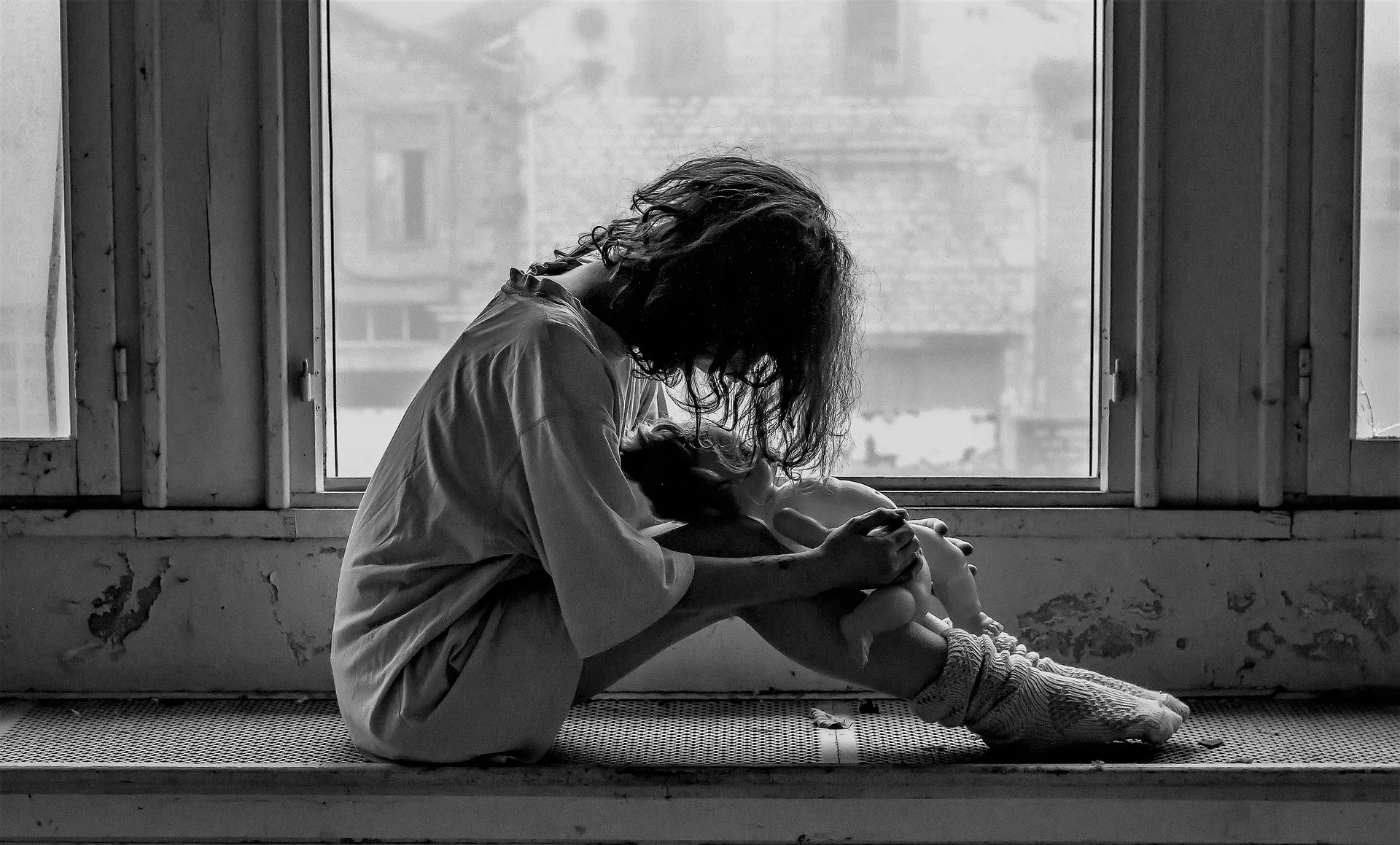
woman-1958723_1920.jpg

Bink Bonkers

August 09, 2018 by Anne Atkins

For two decades my life and the lives of everyone in my family – most particularly my dear daughter Bink's own life and almost every breath she has breathed – have been dominated and devastated and all but destroyed by her terrible, harrowing, evil and wicked mental illness. It has been an insatiable black hole sucking energy, happiness, health from every one of us; leaving her a shadowed ruin of the sparky and wonderful and gifted and infectiously magnetic child she once was.

I have barely written about it... in public, anyway: I have reams in the private pages of my diary and hidden corners of my laptop.

It was simply too dreadful to tell.

Twelve years ago I even turned down an astonishingly generous advance on a book about her, when she was 21 and stunningly beautiful and seemed almost well... and for ever since I have wondered what strange, apparently self-sabotaging instinct prompted me to do so. For years friends, family, agents and publishers have told me to blog; to tell; to publish. For years I have refrained.

Not any more.

There have been many false and heartbreaking surges of hope. Many times I've said to myself, and to her, "You can be well." This hope; that chance; the other opportunity have come and gone and left her, now, as ill as she has ever been.

I am an incorrigible optimist. I have to be: there isn't much else to hold on to. When she was first hospitalised, aged 16, and life seemed almost as awful as it could be, my father said to me over and over again, "She will get well: you have to believe it."

And I do. I still believe it. Nearly twenty years from that agonisingly painful time and I persist in believing she can be well. A dozen and a half loyal friends have been praying for her for years, and still are. Presumably they believe enough to persevere. Unless they are mostly being kind to me and praying for me to survive.

She is about to start treatment again. The best treatment, I hope, in the world. I am going to believe again, yet again. That in a year or two my daughter will be, miraculously, the wonderful and extraordinary and gifted and gorgeous woman God made her to be, even though she missed all the joyous girlhood He had planned for her.

It is a statement of faith. Like any statement of faith it could end in failure, disillusion and despair. But I choose not to believe that it will and I choose not to countenance defeat.

This is going to be the story of that recovery, as it unfolds. Come with me; stay with me. Witness a miracle happen in real time.


August 09, 2018 /Anne Atkins
mental health, motherhood, anxiety, Priory, OCD, BPD, mental illness
5 Comments

Powered by Squarespace