Anne Atkins

  • Home
  • Bink Bonkers
  • Non-Fiction
  • Novels
  • Journalism
  • Speaking
  • Broadcasting
  • Biography
  • An Elegant Solution
  • Thoughts for the Day
  • Anthem for Mary and David Briggs
  • Love Strong as Death
  • Contact

Little miracles

August 19, 2018 by Anne Atkins

Sunday.

Well what do you know: miracles do happen.

To answer the question you are too polite to have asked, Bink gave me permission to say anything I liked in this blog... provided she didn’t have to do anything onerous such as read it. “I don’t want to have to correct all the rubbish you write.”

It didn’t seem very likely she would anyway, given that she can’t use a computer without washing it. Two of my laptops have been wrung out, taken to bits and put in the sun to dry. For weeks. (Don’t bother to try this at home. A computer is like a waxed jacket: it never works quite so well after the first wash.)

Yesterday evening, when she finally emerged from three days’ sleep since her midweek visit to the Priory, she said with a tint of pique, “I’ve gone and got drawn into your blog thing.”

To her surprise (and mine) there wasn’t much to correct, “Except one thing.” I braced myself. ”You are completely wrong on how much I have cost the taxpayer. It’s not six figures.”

“Well,” I admitted, “it was a bit of a guess.”

“It’s seven. I totted it up once. Easily a million.”

I was so shocked I broke a glass.

“And I haven't even been to prison, as so many do."

(Yet.)

"It really doesn’t make economic sense," she continued. "If you don’t treat cancer patients, they die. Whereas we go on and on costing.”

“Then why...”

I keep thinking of that first-diagnosed fifteen-year-old, and how treatment costing ten, or twenty, or thirty thousand pounds, offered immediately, might have saved the next eighteen years. Instead, the mentally ill are routinely told they’re not yet ill enough to count.

“Because it would take an initial outlay,” Bink explains. “It needs vision.”

She had another very perceptive – and far more chilling – insight into something I’d written.

But today is Sunday and a day for little miracles and encouragements, so that can wait.

A number of friends reading this have commented, “We had no idea... Bink is such good company. So interesting. Such fun...” So bright, articulate, charismatic, gifted. You're telling me? More tellingly, perhaps, “So open about her illness.”

We are invited out for lunch today. Our hostess particularly hopes Bink will come. “She won’t remember me at all, but I remember her: she shared some of her feelings and I loved her instantly.”

Unusually, Bink has agreed: she generally says she can’t commit. Last night she seemed to change her mind, and I expressed dismay.

She tussled a bit. “Will she mind how I look?”

Bink was dressed, as she has been for years, in rolled up men’s pyjamas, open sandals and a hoodie: the only clothes she can bear. Yesterday she had the added adornment of a pillowcase on her head. Cross a pirate’s bandana with a cartoon dressing and you’ve got it.

Two nights earlier she’d asked me when I’d be having my bath. So I went up early and ran a meagre couple of inches into the tub to enable her to spend the night emptying our enormous hot tank on her shower: an extremely painful process, and one she often can’t face for months. The pillowcase must mean she had bottled out, and was now embarrassed by her dirty hair.

“No Bink, I’m sure she won’t care how you look.”

“Ok then. Wake me up when you’re going.”

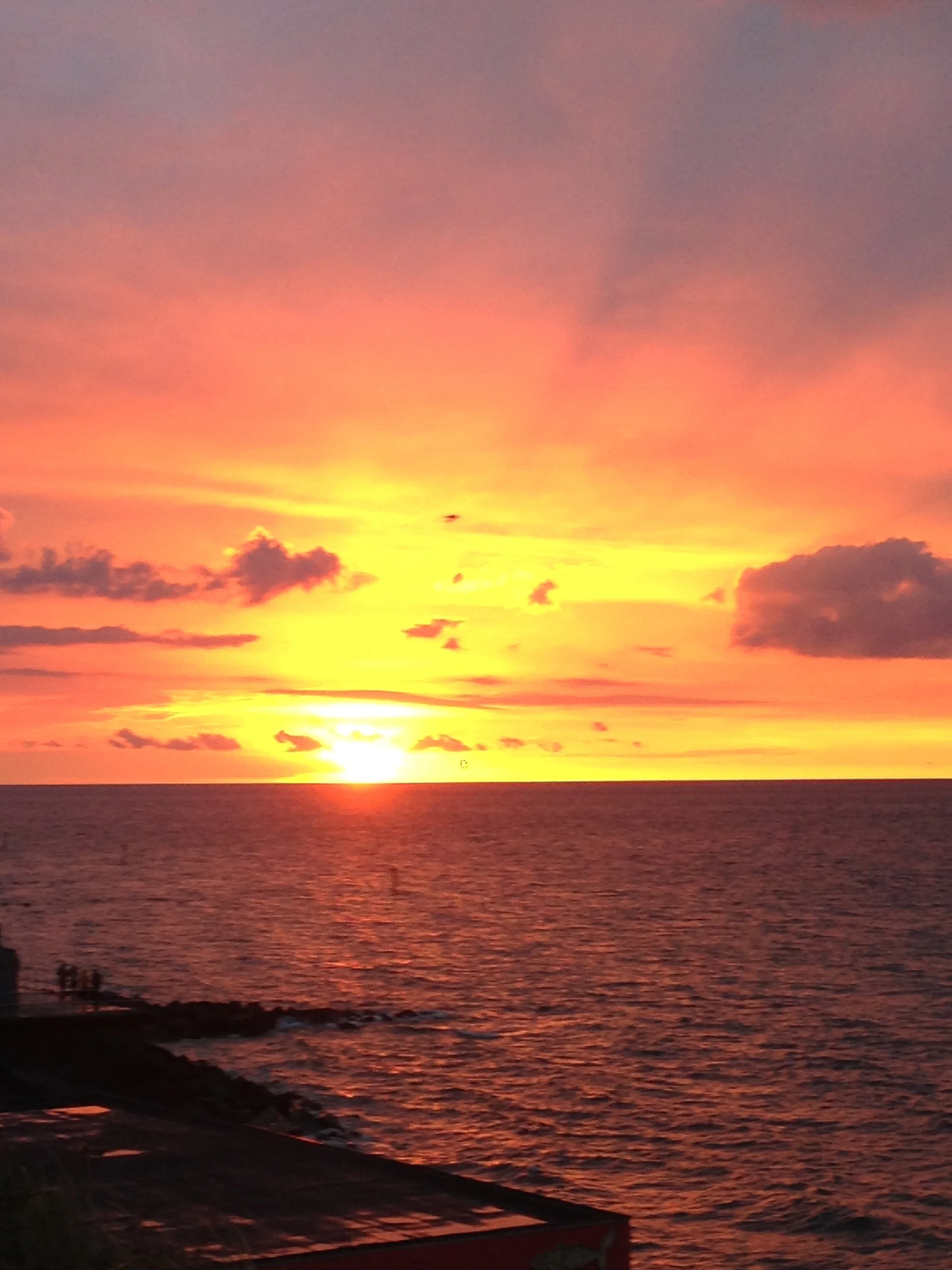
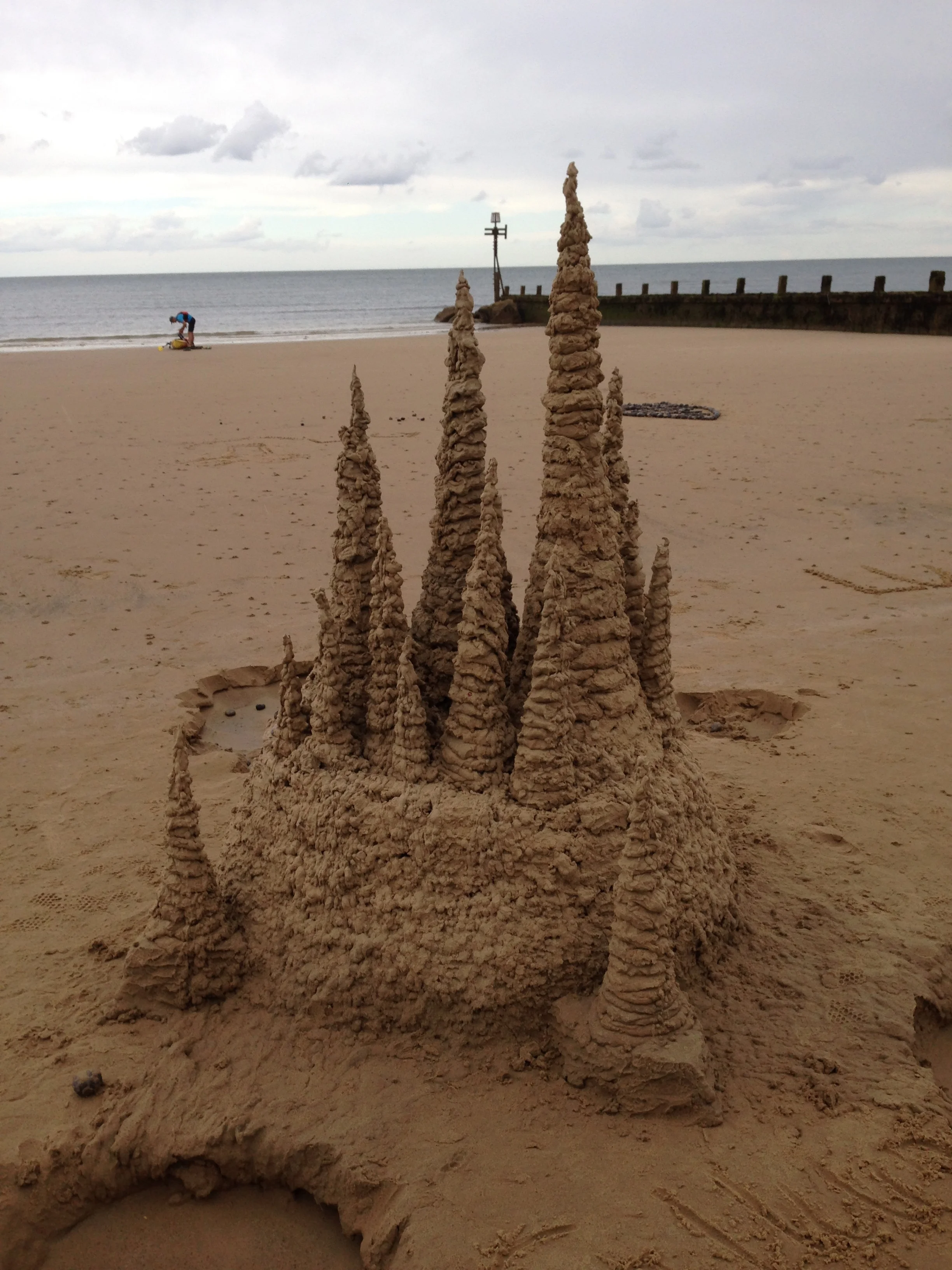
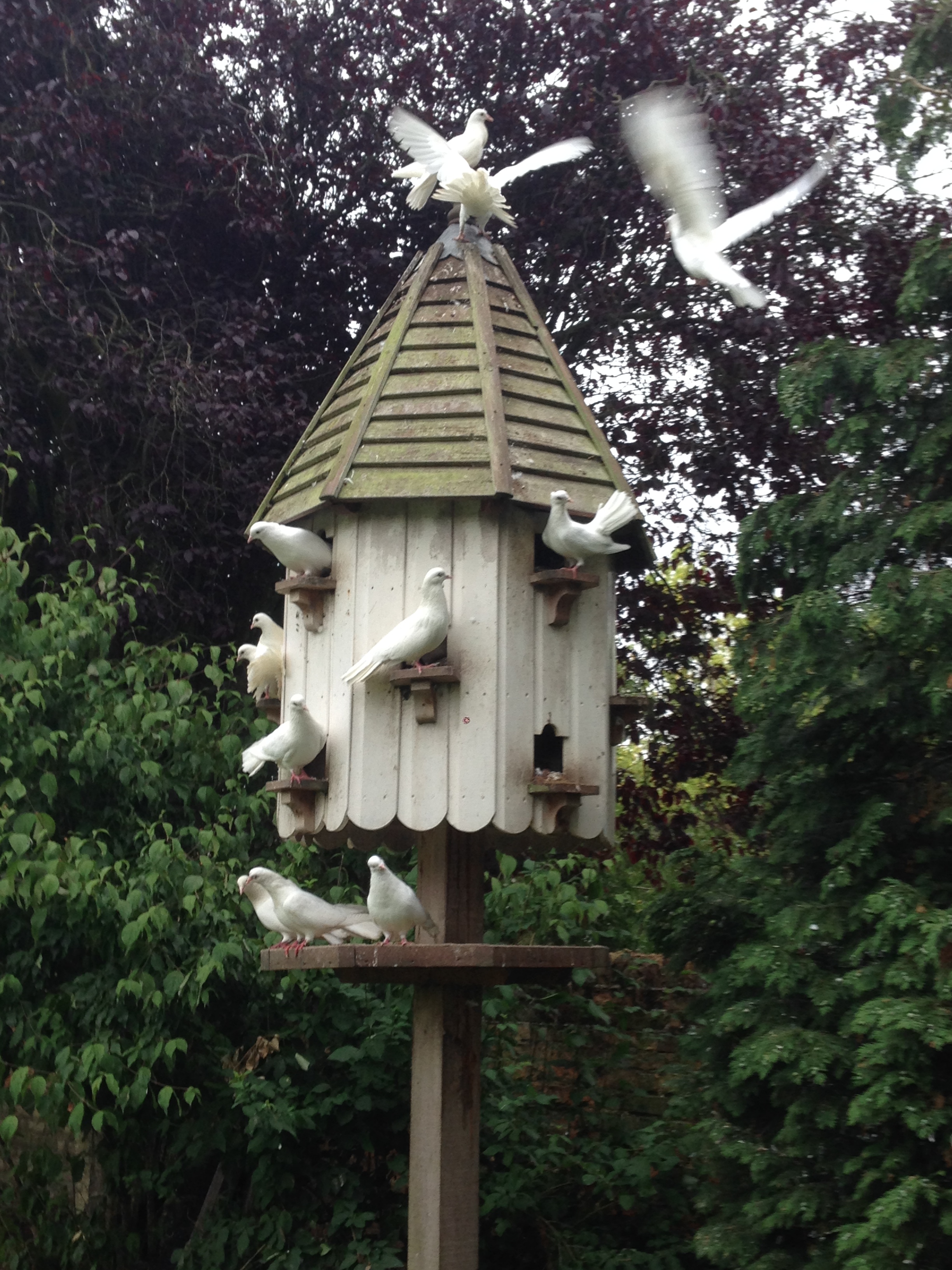
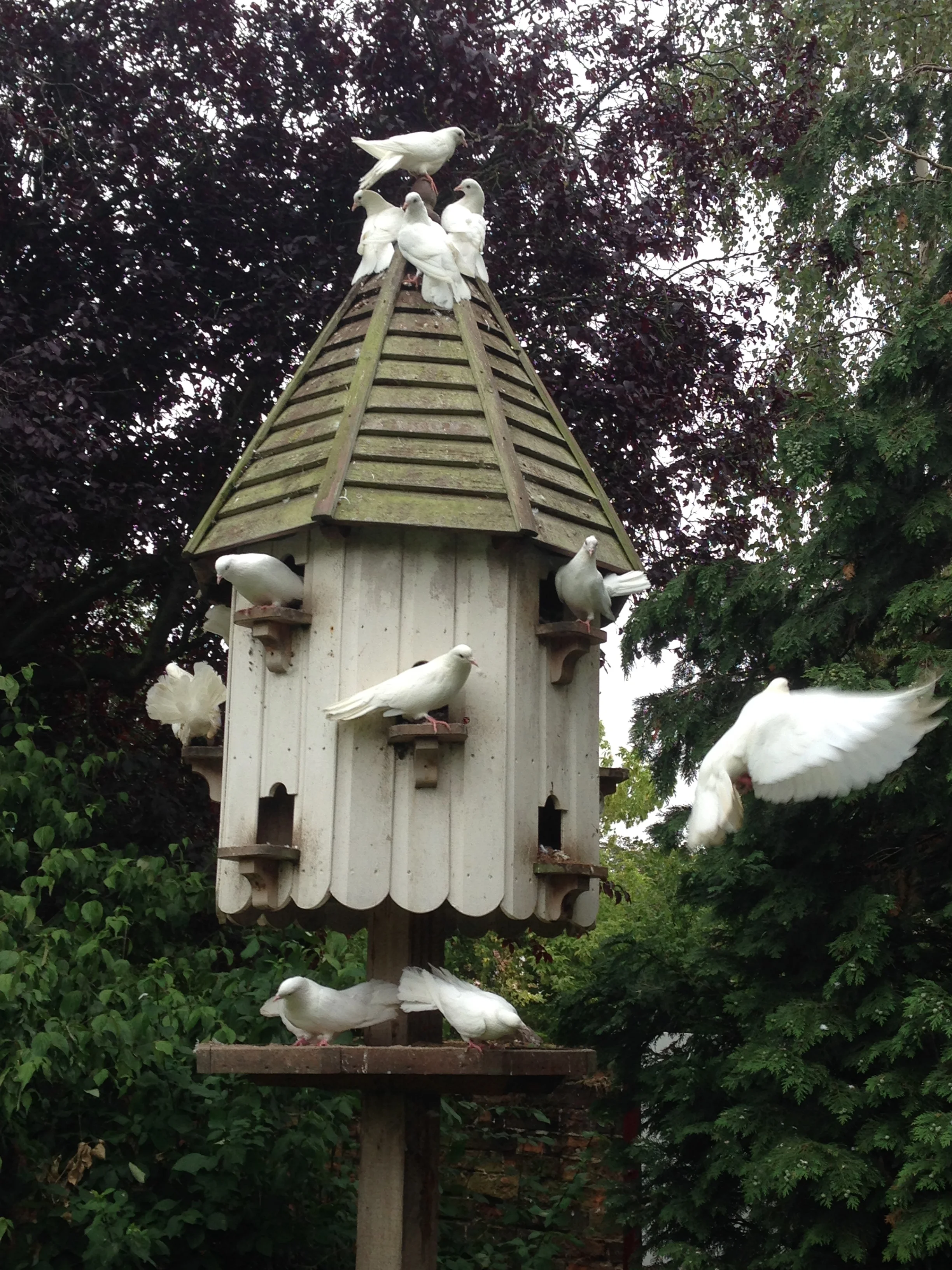
(And the picture? This week, for the first time since I started keeping them in my teens, my very silly garden fantails have crossed the Rubicon. They have bred more than they’ve died: raised more young than they have been sport for cats, tea for sparrowhawks or have strolled up to unwitting cars and lain down under their slowly moving wheels. They have achieved the critical mass.

Something my family said would never happen. As so many have said Bink will never be well.)
August 19, 2018 /Anne Atkins
Miracles
1 Comment
black-3451618_1920.jpg

Referral... rejected

August 18, 2018 by Anne Atkins

Autumn 2000 and Spring 2001.

That same evening I put Bink in touch with a friend: an erstwhile child psychiatrist who had switched career. I didn’t realise he had a specialist interest in, and knowledge of, her condition: no one could have been better qualified to diagnose.

They talked over the telephone for two hours.

The next day he rang me. “Bink has Obsessive Compulsive Disorder. I’ll refer her.”

“Oh. Ok: thank you.”

Obsessive Compulsive Disorder? I’d barely heard of it. He might as well have told me she had a slight cold.

Christmas came and went. Life continued.

Three months later I happened to be talking to him about something else. Before I hung up he asked, “What happened about Bink?”

“What do you mean?”

“Haven’t you heard anything?”

“I didn’t know we should have done.”

He was audibly shocked. “I referred her.”

To this day, eighteen years on, I struggle to process this. It transpired – after we discovered how very serious her condition was, and took the trouble to find out why nothing had happened – that our friend, a qualified psychiatrist, was the ‘wrong’ person to have made the referral. It should have been a GP.

Eat red tape for breakfast if that’s what excites you. Paper your house with it, if bureaucracy is the reason you work in hospital administration. Tick all the boxes, if that’s the most important thing about your job... more important than, say, saving lives.

But not even to pick up the telephone? Not bother to reply to the letter of referral, or say anything at all? Not inform the person who took the trouble to write it, or send it to the correct person instead, or advise the parents – or indeed anyone at all – that procedure hadn’t been followed correctly?

If Bink’s illness had been leukaemia or anything else life-threatening – as mental illness so very critically is – would her letter of referral have been folded into a dart and aimed so playfully at the wastepaper basket (if indeed anyone did anything so creative with it) with quite such gay abandon? Can you imagine the ramifications, the outcry in the press, if the consequences had been fatal... and it had been any other disease?

Three months when her condition was still manageable. Three months when she was still young enough to change habits. Three months when she could have learnt what was wrong with her, and how to challenge it, and what she could do to get better.

Three months, for pity’s sake, when she needn’t have continued in her terrible and confusing suffering, still so alone – given that her hapless parents still had no idea anything serious was amiss: since she could still hide almost all the symptoms; since a friend who knew better had done something about it; and since the family had three other children, one of whom very possibly had Asperger syndrome (also barely understood) and had nearly killed himself, so bullied had he been by his teachers.

Three months before her sixteenth birthday.

And why regret those three months, given all that happened – or didn’t – afterwards?

Our friend told me to ring our GP immediately. In those days you could talk to your GP. The same day.

“Bring her in,” Mike said. “Today.”

I can still visualise him, on the telephone in his surgery that afternoon, ringing the Chelsea & Westminster Hospital, insisting on an urgent appointment with the person he had just looked up as the most appropriate for her to see: a consultant psychiatrist with a name for working with children and young people. Mike had run the name past me first for approval. I had nodded dumbly. I’d never heard of him.

The consultant curiously also a Michael: his name and surname soon branded and scarred onto my brain.

“It's very serious indeed,” Mike explained as he put the telephone down. “Just this morning,” he continued gravely, “I referred for hospitalisation a 21-year-old with OCD.”

(Did he even say, ‘sectioned’? It was a long time ago...)

Gosh, I thought. Thank goodness Bink will never be that ill. When she is twenty-one.

August 18, 2018 /Anne Atkins
OCD, NHS, Priory, Mental illness
Comment
porto-2507593_1920.jpg

Intimations of illness

August 17, 2018 by Anne Atkins

Autumn 2000

I first began to wonder whether something was wrong was when Bink was fifteen.

With hindsight, of course, there were subtle indications long before. But that’s the thing about being a parent. It’s a bit like being a child: it was the first time we’d ever done this, brought Bink up, so we had no way of knowing this wasn’t how she was supposed to be.

We had no idea Alexander was Aspergic either: he was just... well... Alex. As he still so gloriously is.

Bink was such an extraordinary child – with such a finely-tuned sense of humour at such an early age that she used to wear a false nose, spectacles and a moustache when Shaun pushed her around in her buggy, turning astonished then amused heads; and once delightedly distracted an entire crowd of adults, trying to listen to Beethoven, with a far more entertaining performance – that we couldn’t know how unusual it was for a four-year-old to fear that the trees were after her; or a six-year-old to sob at bedtime lest she went to hell. We simply comforted and assured, as you do. Her godmother, a speech therapist, once commented on a tic, a smile which often spasmed Bink's face. We shrugged, and said she'd always done it.

Perhaps we weren’t being particularly dim. Even when she disappeared for two days, aged twelve, and was in all the national press, no professional showed any alarm or suggested a diagnosis might be in order.

And what good would it have done if we’d known, since no help was forthcoming even when we did?

By her early teens she was ringing Childline every Friday night, regular as clockwork. She often went to a call box on the corner of the street. Serena and I knew (I think once Childline rang back by mistake) but Bink obviously hadn’t wanted us to so we never told her we did. Already and for a year or two she had been getting up every morning at four to use the washing machine, and going to school in wet clothes: something we knew nothing of, though she says her form teacher realised.

Aged fifteen she was beginning to monopolise the bathroom. The day I realised this behaviour might not be voluntary was a Sunday.

 We lived in the vicarage at Parson’s Green, Shaun being said parson of said green. A CofE stipend is... enough to live on. If you buy your clothes from Oxfam and beg your holidays in other people’s houses and a generous parishioner gives you a car. Certainly not enough to go to the pub. Not at your own expense, anyway. But that’s the thing about being a vicar: you – and your family – tend to be much loved (either that, or much loathed) and your flock often treats you.

That day it was indeed so. A bunch of friends was going to the White Horse after the morning service, and very kindly offered to buy us lunch. Bink knew this. And adored the White Horse: we all did. It was second home to the church, and the food was superb.

The pub is just over the road from the church and vicarage, so I went home several times to make sure she knew we were there.

She never made it. We got home in the late afternoon and Bink was still in the bathroom.

That was the day I said: “Bink, there are two possibilities here. Either you are being selfish, in which case please stop. There are six of us who use the bathroom. One person can’t have it to herself for hours without inconveniencing everyone else.

“Or you have a problem, and need help. Which is it? It must be one or the other.”

“I’m just being selfish,” she said quickly. “I’ll stop.”

A week later she came back to me.

“I can’t,” she said. “I have a problem.”

August 17, 2018 /Anne Atkins
2 Comments
sea-2597926_1920.jpg

Common sense

August 16, 2018 by Anne Atkins

Present Day.

I like Bink’s new shrink.

I can’t quite believe I’m using like and shrink in the same sentence, but life is full of surprises. 

We – Bink, Shaun and I (and how extraordinary is that, that parents can be welcomed as part of the healing process, instead of demonised as the culprits) – sit in Professor David Veale’s pleasant Georgian study in the North London Priory, and I think I’m listening to myself talking.

“Do you eat healthily?” he asks her. Given that the day before, Bink had turned up at teatime in a highly agitated state, pacing the kitchen floor like a caged tiger, saying she couldn’t talk to me unless I accompanied her to the pub where she could have a pint, a ciggie and a meal as she hadn’t eaten since the previous Friday (five days earlier), I knew the answer to this one.

“A good Mediterranean diet, with lots of pro-biotics and fresh vegetables.”

Bink writes carefully, in her diary, in the correct coloured ink for food.

“In bed by midnight, up by eight, would be good. It’s not just children and animals who love routine: it’s very good for the body, and for all of us.”

I am listening to a psychiatrist who is talking sense. Can this be real?

He tells her, in all seriousness – just as I would, in all seriousness but without any impact whatsoever in my case – that next time she is feeling stressed, instead of popping a pill she should dive into cold water (having first established this is practical: we do as it happens have an unheated pool at the bottom of our garden) and this will calm her down without the need for chemicals.

dive-405780_1920.jpg

Where, of course, Professor Veale has the edge on me is that he can give scientific reasons for all the common sense I’ve been trying to sell to Bink for the last eighteen years or so. He can tell her what it does to the body’s neural transmitters when you put an icepack on your forehead.

Now, if I’d known that, the last time Bink was having a hissy fit, threatening her brother with a knife so we had to call the police because she was screaming that she wouldn’t have an ambulance because they shove her full of pills and inject her with the sort of knock-out you'd use to fell a rogue elephant in full rampage mode, I could have just put her head in a bucket of ice.

Something I have often wanted to do, believe me, but have never had the letters after my name to justify the impulse.

A couple of hours later, after she’d had her therapy session too – and yes, she likes the therapist and says she can work with her as well – she stopped and smelt a rose.

“See!” she said, proudly. “I’m doing as I was told. Smelling the flowers to calm me down.”

“Lovely,” I said. “Has it worked?”

“Nah. I don’t like the smell of roses.”

This is going to go well, Bink’s relationship with the Priory. I feel full of hope for the first time in many, many years.

And I really like a shrink who talks sense.

rose-411703_1920.jpg
August 16, 2018 /Anne Atkins
psychiatrist, Priory, Medication, OCD, BPD, Common sense
1 Comment
lost-places-1819465_1920.jpg

Treatment begins at last

August 15, 2018 by Anne Atkins

Present Day.

For those of you who have the good fortune not to know this, modern tax-funded mental healthcare is about a hundred times worse than you could imagine somewhere in the depths of the Dark Ages and then times a bit more and then it’s actually quite a lot worse than that, and that’s rather better than it really is. And then some.

By the beginning of this year Bink had been waiting for treatment for so many years that it no longer amounted to waiting but giving up. Two psychiatrists, a hospital and a psychologist in 2017 all said they wouldn’t help her because she was on Lorazepam. And of course none of them would help her come off it.

There is no economic – let alone personal or compassionate – sense to this policy whatsoever. The tax-payer must have spent a fortune on Bink, since she was first diagnosed by a (child-psychiatrist-turned-vicar) friend over the telephone at the age of fifteen.

Ambulances. Hospitalisations. Police. Benefits. GPs. Psychiatrists. Disability grants. Showers put into rooms which then get cancelled. At least six figures on this dispiriting expenditure already.

Not taking into account by far the biggest cost to the nation: the taxes she would have paid on the income she has never had. And mine. And her siblings’. (Her father continued to draw a salary for most of this time, but had a devastating breakdown last year when we were caring for her at home, was signed off work for six months and has now resigned his job.)

You note I don’t even bother to mention the personal pain and loss of a life of happiness and fulfilment. For seven people, at least.

If the NHS had offered Bink, immediately, the best treatment available, the day she was diagnosed – no less that she would have had if her illness had been cancer; a brain tumour; meningitis – it could have been over within months. Probably before she was sixteen. She need never have dropped out of school; taken ten years to complete her degree; been unemployed ever since.

Instead of which, the psychiatrist in charge of her case – an agonising year after we first asked for help – said in response to my (rapidly researched) request that she be treated in the specialist Maudsley Hospital.

“I don't think we need a sledgehammer to crack a nut.”

Setting aside the howlingly, frightfully, hilariously unintended choice of image, she didn't consider Bink ill enough.

Yet.

Six months later she very obviously was and the psychiatrist herself suggested the Maudsley. Too late. By then Bink was too damaged (mostly by the psychiatrist's own disastrous hospitalisation of her against our wishes, and the medication she was forced to take against her will and ours) to respond.

Even when she has been fortunate enough to be treated – for instance in the Bethlem, twice – each time she has been involuntarily discharged after the statutory 12 weeks, despite begging for more and longer because she wasn't yet well enough to leave. 

The process is a lot worse than counter-productive. You have to be so desperately ill before you qualify for admission that it is impossible to get better in the brief time given for treatment. Making it a complete waste of money to offer anything at all, surely.

Bink herself has a different explanation.

“So many of us commit suicide, waiting for treatment, that it probably does save money.”

Perhaps it’s a mistake to look for a Master Plan. But if there is one, perhaps Bink has indeed hit on it.

Perhaps (the theory may go) 85% of severely mentally-ill people aren’t going to get better whatever we do. Perhaps (this belief may continue) 40% of them will be dead in a few years, eking an existence on the streets till they cop it in the cold or taking their own lives in despair. Perhaps (the arithmetic may conclude) it’s not worth gambling on the minority who might be able to make a useful contribution to society.

Be that as it may, no help has been forthcoming for Bink from the NHS for a very long time. And most of it has been in the form of poisonous little pills.

Dangerous. Destructive. And very, very cheap.

Today Bink embarks on a different hope. Today, she has her first appointment (after her initial assessment a few months ago) with her psychiatrist at the Priory. Followed by her very first session of – privately-funded – therapy.

Soon she will be in (a very good) hospital.


August 15, 2018 /Anne Atkins
1 Comment
drug-2081888_1920.jpg

Logic to the lunacy?

August 14, 2018 by Anne Atkins

Present Day.

As I feared.

Procuring the poison took all day. You can never tell quite where all your energies will go: just that they will go somewhere – with nothing much to show for it – in feeding the fury of the all-devouring madness. With Bink herself, of course, being the primary fodder.

As I said in my first post, we stand on the brink of a miracle. Bink is about to start treatment. I hope, trust and believe, truly adequate treatment for the first time in her life and illness.

The first psychiatrist I ever knew killed himself. Within two weeks of my moving in with his family, in my gap year. I like to think the two events weren’t causally connected, but my relationship with shrinks has gone downhill from there, really – rapidly accelerated by Bink’s various treatments. If she had never met a psychiatrist in her life she would never have got so ill. Not by a very long country mile indeed.

Be that as it may, the psychiatrist who is soon going to be treating her has won me over lock, stock and barrel.

First, because he has the two rarest and most important qualities: common sense; and compassion.

And secondly – I imagine thanks to these traits – because he doesn’t want to shove her full of more mind-bending chemical venom. His aim is to get her off the stuff. And miraculously, not onto other stuff. Most shrinks suck through their teeth thoughtfully and say, Ooh, you don’t want to be on that... here, have some of this instead.

So it’s ironic that it was he who came galloping over the horizon to the sound of the William Tell Overture, willing to write a prescription for the vile but currently much-needed Lorazepam. And, rather sensibly (given that Bink recently got stressed and took 15 at once) to send it to me for safe-keeping.

Solution, right?

Wrong.

In place of the whoops of joy due for getting over this week’s hurdle, Bink offered me, “I can’t work with him if he does that. I won’t be able to go into hospital.”

Count to ten. Don’t scream. Count again. Let’s go out for a coffee and get to the bottom of this shall we?

The thing about madness is that it has its own... well, I hesitate to call it logic. Systems. Rules. And if you don’t take time to get into the mind (for want of a better word) of the mad person you love, you can’t do anything. This is what shrinks should be doing, instead of giving them Smarties to send them to sleep for 100 years.

So here is the theorem, as advanced over a cappuccino for me and an ice-cream for Bink, because obviously she doesn’t take addictive mind-altering substances like caffeine:

  1. Quitting the meds has got to come from Bink herself. Everyone says you can’t get well unless you want to. Good.
  2. Ergo, it’s got to involve trust, both ways. She has to trust shrink, and shrink has to trust her.
  3. Following on from which... well that’s it really.

Even more miraculously, said shrink accepted this without demur and sent the prescription straight to the chemist for Bink to collect.

I have a feeling this relationship is going to go very, very well.

So does Bink. She immediately felt secure enough with him (and thankful enough to me, for “Going to so much trouble to get me what you don’t think I should have”) that she was able to drop her daily intake from 4mg to 3.

Just like that.

August 14, 2018 /Anne Atkins
Comment
alone-in-the-room-1436081.jpg

Exhaustion

August 13, 2018 by Anne Atkins

Present Day.

I simply dissolve into tears.

Somebody passes me the salad – my favourite green-leaf-and-avocado salad, which I had surely made a few minutes earlier? – and I make a decision: I give in, and cry. This is so unlike me that there is a bit of a silence. Serena’s new au pair, sitting next to me, kindly strokes my back. My cousin Fleur, opposite, comes round to my side of the table and says, “Come on, let's go inside,” and steers me in.

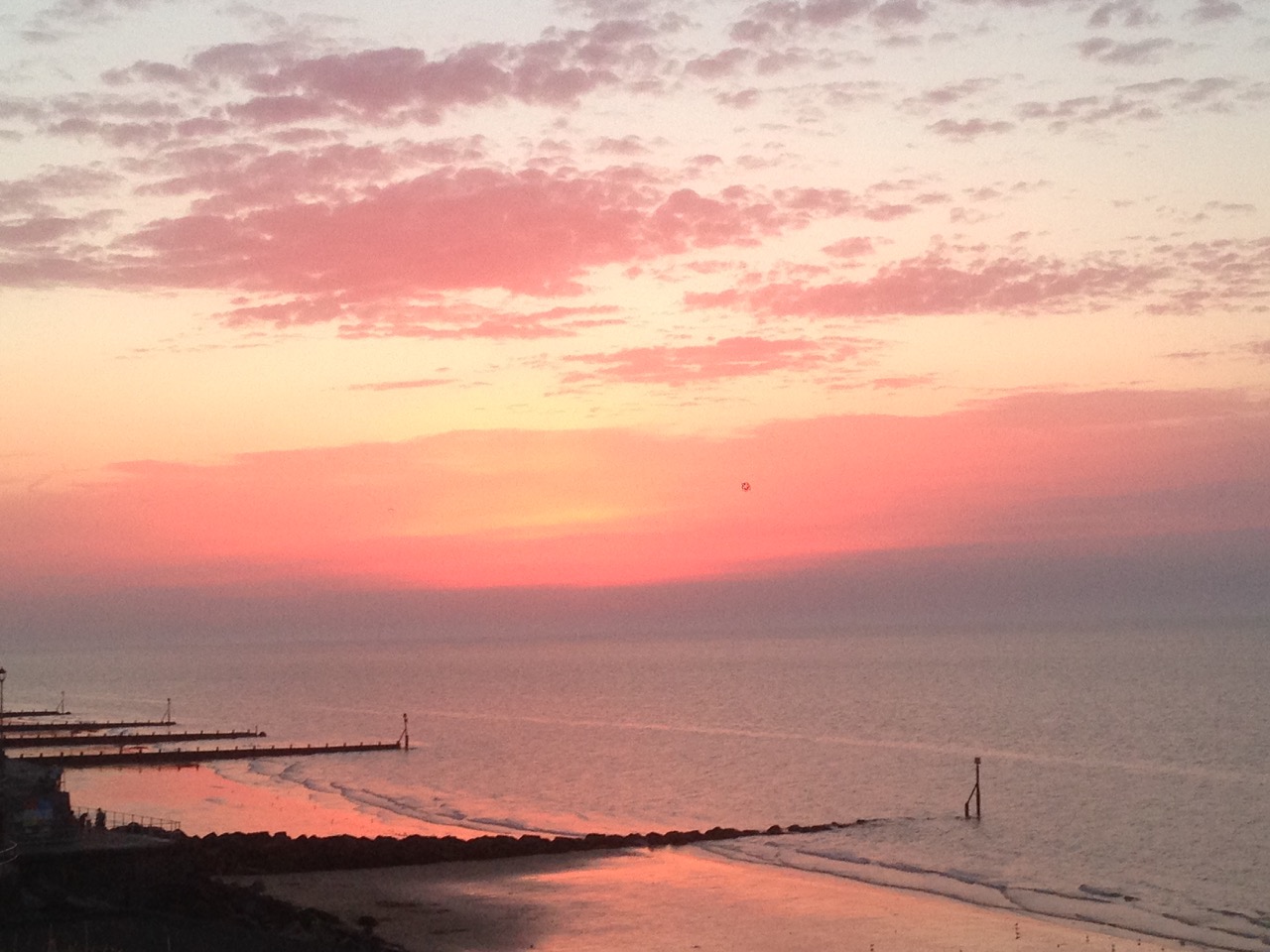
There is a beautiful sunset over the sea. There usually is, from my father’s back garden at his seaside house. The photographs from yesterday’s post were simply snapped on my telephone – as all my Sunday photographs will be. Ten or twelve of us were sitting have dinner: delicious salmon barbecued by Christian, Serena’s husband, with sour cream and freshly grated horseradish.

“Is it because nobody appreciates you? All your shopping and cooking?” Fleur hugs me on the sofa.

I am wearily astonished that anyone – certainly someone who knows me as well as Fleur – could think such a trivial thing could upset me. I am no martyr: if my family takes me for granted I tell them.

“I’m just so tired, Fleur. Year after year. Unrelenting. On and on and on.”

“I understand.”

“Please tell everyone that they haven’t upset me. No one’s done anything. I’m just worn out.”

Trying to get treatment for her. Protesting at the way she is abused. Visiting our MP to plead for better services. Persuading any doctor, anywhere, to give her the drugs which doctors got her addicted to. Driving half way round the country to get medication I don’t believe she should have. Fighting her corner. Caring, minding, listening, battling.

Utterly, utterly exhausted.

Presumably by anger as much as love.

Three and a half years ago someone, somewhere, made Bink take Lorazepam. She was told she couldn’t leave A&E until she’d swallowed it. (Illegal? Almost certainly. Watcha gonna do about it?)

The stuff is evil. (I once took one tiny pill of it – Bink gave it to me: let’s leave why for another post – and it wiped out my memory for about fifteen hours. I’ve told her I wouldn’t swallow another if my life depended on it.) I am no pharmacist and certainly no psychiatrist but as far as I can see it is a chemical cosh. Somebody somewhere in A&E wanted rid of her, so they knocked her out.

She has been addicted to it ever since. Currently on four a day. (And – that’s right – just one catapulted me into the middle of next week.)

It is a restricted drug. Only doctors can dish it out. Which in turn means:

  1. Doctors got her addicted to it, right?

And,

  1. Doctors now won’t give it to her.

Simple as that.

Last Christmas I went to our GP, whom we know well. Bear in mind she is one of the better ones. I told her I was about to do a round trip of 6 hours down to South London to get Bink her prescription for the next week or so. I asked if she could prescribe it instead – given that Bink was (or certainly has been, for a lot of the last nine years) one of her patients. (And given that her husband put Bink on some of the most destructive stuff she’s ever had, without giving her any explanation or information as to what it would do to her.)

Nope.

“So what are we supposed to do?”

Cold turkey.

“Really?” I was incredulous.

“It won’t be pleasant, but it can’t do her any harm. I’ve had patients who’ve done it with heroin.”

The consultation was twenty minutes, during which she reiterated her assertion repeatedly.

So I went home and told Bink. And she tried it. Twice. The results were so horrendously, insanely, critically dangerous the doc might as well have taken out a pistol and shot her. It may be technically true that cold turkey from Lorazepam can’t kill you... if you are tied in a straight-jacket and locked in a padded cell and monitored by a team of trained professionals twenty-four hours a day. A friend of ours who owns several pharmaceutical companies told us if he was addicted to Lorazepam he’d request a clinically-induced week-long coma to free himself of it.

Even a sane person could quite easily have killed herself suffering as Bink did during that medically-advised cold turkey. Bear in mind all that put her on it in the first place and how very much more vulnerable she is...

At one point it sounded as if she was about to be on her own (thirty miles away) so I was trying to keep her safe on the telephone while we worked out who could leave what to be with her: it would need at least two people, so one could sleep.

“So,” she was trying to get to grips with what we were concerned about, sounding like a very drunk and confused six-year-old, “the risk is that I might kill myself?”

“Ultimately, yes,” I agreed.

“Well then,” she said, in all seriousness, “why don’t I do that now, and then there won’t be anything to worry about?”

I loathe Bink’s Lorazepam with all my being, but even I couldn’t support her staying off it that way. No psychiatrist I’ve ever come across has ever suggested cold turkey.

Serena has said several times that I must go back to the GP and tell her, in case her advice does indeed end up killing someone as it could so easily have killed Bink. 

Does it make sense that I am too tired, too angry, too busy keeping Bink alive to work out how without recriminations?

Earlier in the day I had rung her latest surgery and requested a conversation with a doctor, about the next week’s supply: a psychiatrist had written to the surgery to authorise this. I simply got a message on my voicemail from the receptionist: “The senior partner says no.”

What is the point?

I’ve got to get it for her. So this doesn’t discourage the use of this dreadful drug. It simply means I’ve got to spend yet another day of my precious seaside holiday telephoning and begging and trying someone else and racking my brains to get the stuff. It doesn’t get her off it. That needs specialist help, which no one will give her.

It just wrecks me.

So, during our lovely dinner overlooking the sea, surrounded by my lovely family, on this occasion I simply took a decision to give up for a moment, and cry.

August 13, 2018 /Anne Atkins
Lorazepam, Priory., NHS., Mental illness., Mental health., OCD., Anxiety disorder., BPD.
Comment
IMG_2428.JPG

Glimmers in the darkness

August 12, 2018 by Anne Atkins

Sunday

I wouldn’t want you to believe that all of the last twenty years has been dark and cold. Perhaps I mean I wouldn’t want to believe it myself.

There are Sundays of subtle colour and sunshine spattered like buttercups in the stark dismal black-and-white Monday-to-Saturday of the Underworld of madness. There is same bright, funny, perceptive and loving Bink bravely twinkling... though imprisoned like Persephone, under the earth and out of sight. Still vivid in the mind of God, even if the powers of hell don't often let us glimpse her.

She has been here with us at the seaside.

IMG_2435.JPG

She has swum (in her bra and huge man’s boxers)... though whether for pleasure like the rest of us, or because the North Sea is the only receptacle big enough to wash her without being contaminated, I don’t know. (She took her shampoo down to the beach, which suggests drudgery not fun. And I never saw her smile or laugh in the waves.)

In the punishing past there have been days, years, when she has been too angry even to talk to me or tell us where she was: months over one Christmas when I didn’t know if she was alive.

IMG_2451.JPG

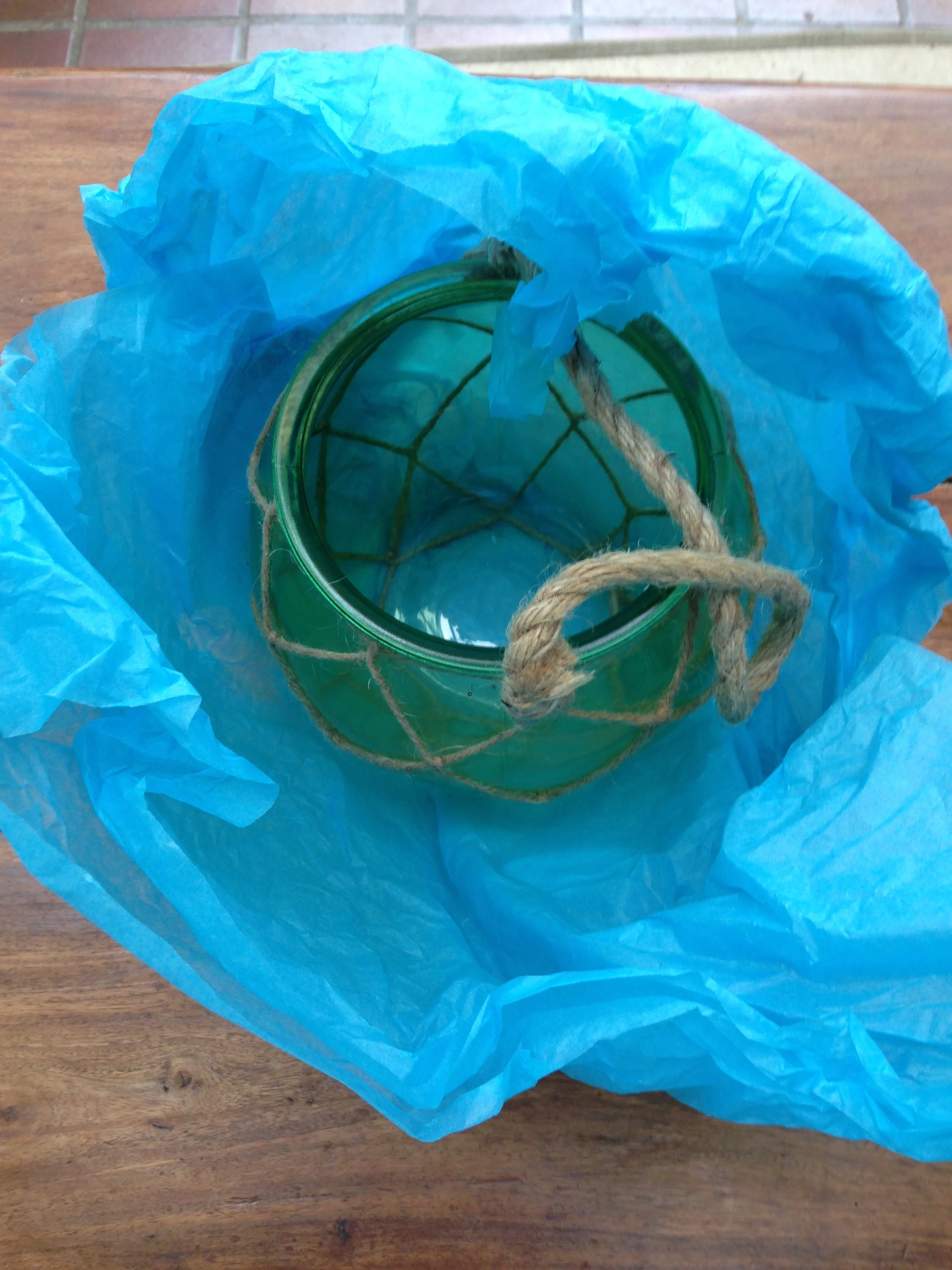
So receiving a thank you present for bringing her here, for helping her, is very precious indeed. If I never have more than this from her, I have far more than many mothers.

IMG_2394.jpg
August 12, 2018 /Anne Atkins
Comment
screaming-1436580-1280x960.jpg

Nowhere to turn.

August 11, 2018 by Anne Atkins

Present Day.

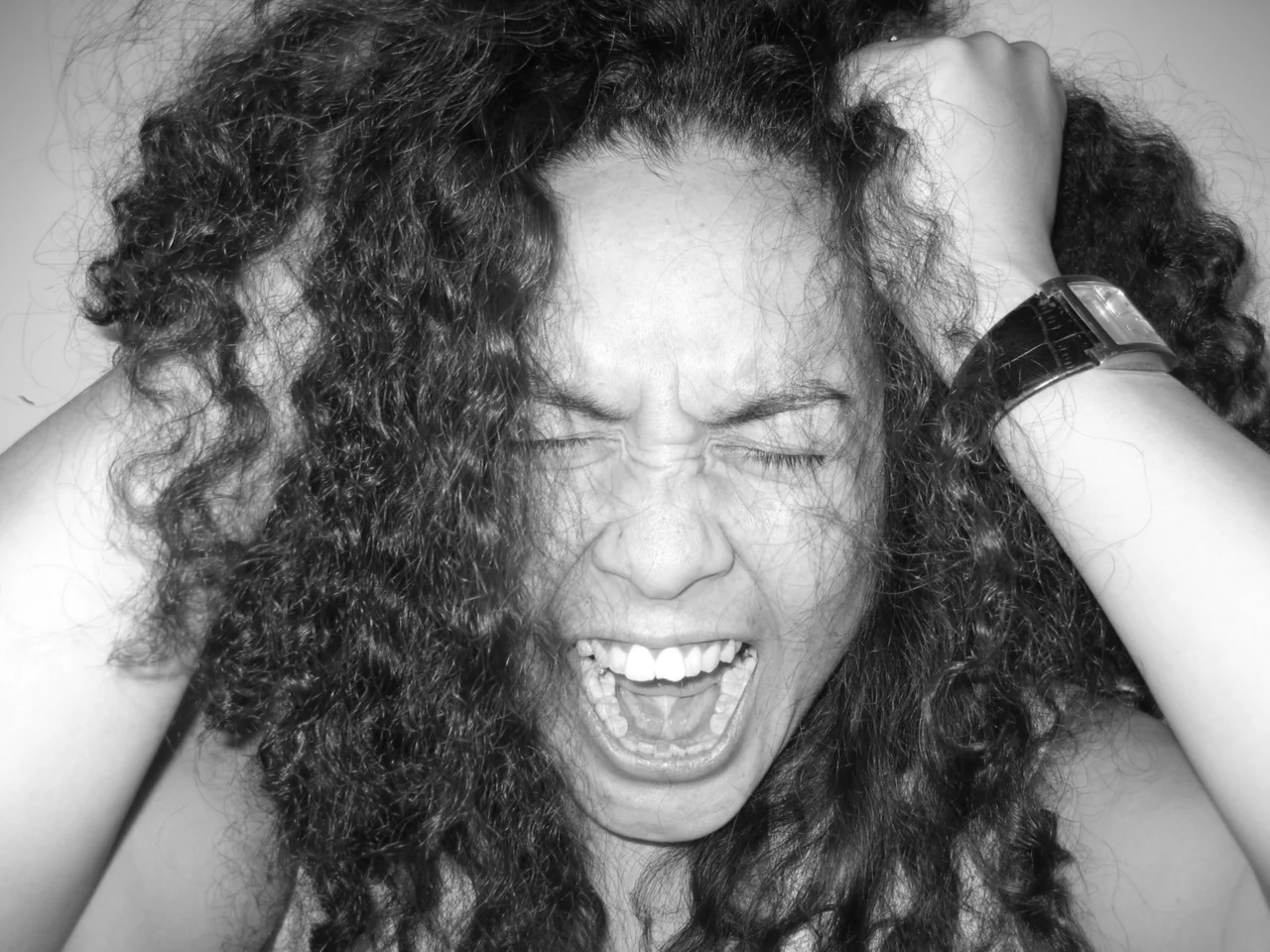
The screams could be heard half-way down the street.

Were they screams? Or shouts, sobs? Imagine someone in so much unremitting terror that you can hear her cries as far as the human voice can carry. For an hour after hour, without let-up. 

At the time we were also getting my 100-year-old father ready for the seaside: a friend was waiting with his van out in the street. I commandeered our son Ben, pushing the wheelchair. You get used to this: we're all now capable of telling each other to drop everything instantly. Hold her safe, Ben; she’s bashing her head against the wall and I’m not strong enough to stop her.

But we’ve also become wary. We’ve all had our lives put on hold so often, for so long, to so little effect, that we've learnt to ignore the latest crisis. The last time one of my family told me Bink was suicidal I said, “Don’t tell me. Call an ambulance.”  I haven’t got the expertise to stop her. Even if I still had the energy.

The sickening wails continued to swamp us in unrelenting waves.

“My daughter has a severe illness,” I explained to the workmen outside our house. “She’s having a panic attic.” Is it a panic attack? I’ve no idea. I don’t care. I just need a label to explain it with.

“We did hear something,” they admitted. It must have sounded like the threat of murder. If I heard a noise like that, wouldn’t I call the Police? Which has also happened to us, of course.

The night before, Bink had asked if there was anything she could say, any argument she could advance, any amount of money she could offer us, to be allowed not to vacate her bedroom by the weekend. We were all going to the seaside – Bink included, in theory – and had let out our house. Of course we could have reneged on the agreement. It would have been very expensive, but what is money compared to our daughter’s sanity? (We've lost enough by now, after all: when she first got ill my income dropped by over half, and never recovered.)

The point is, what good would it do? She would just transfer her terror to something else. For several years we watched a friend who was caring for her give in to her every demand, completely in thrall... till he went nuts himself and she came home: mute, ravaged, insane. After he’d had her arrested and held in a cell overnight – though he was the one who was violent. It was the most toxic relationship I’ve ever witnessed.

So we would have known from experience, even if we couldn’t have sussed it for ourselves, that giving in to her demons doesn’t work.

But standing firm to them is nerve-racking. A couple of hours later she walked through the kitchen where I still sat, stunned; where her father, her sister and I had stayed calmly listening to the howls for half the morning, not backing down.

“I’m suicidal by the way. Not that anyone here gives a shit.”

That was when I lost my bottle. People do kill themselves after threatening to: it is a myth that it’s one or the other.

The scary, lonely, really frightening thing is that there is nowhere to turn. There never has been. If my daughter had type one diabetes and was having a sugar crash, or asthma and couldn’t breathe, I would ring NHS Direct and ask them how to save her life.

Mental illness? Nothing. No help, ever. Presumably because no one knows any of the answers anyway.

I rang a psychiatrist’s secretary and got her voicemail. Please, please tell me what to do, I was almost sobbing.


That evening, we went to London for a very old friend’s party. We had postponed our much-needed holiday by half a week for it, and I had told myself over and over that no disasters falling about our ears, no behaviour of Bink's, would make me miss those three days for nothing.

At 8 o'clock Bink rang her brother Alexander at the party, and he handed his telephone to me.

“I’ve done it!” She had swum the Channel and achieved a First and received notification of her name in the New Year’s Honours. “I’m packed. I’m ready to go!” Triumph. Joy. Achievement.

“Are you pleased?”

“Yes, of course! I’m sorry I was so horrible.”

On this occasion, just this once, we seem to have made the right call. She didn’t kill herself and she is coming to the seaside.

Some time later Serena, her older sister, told me the morning wiped her out for two days. A shame, as she'd come home for a break, having a very demanding one-year-old and an extremely exhausting home-renovation project. (She also vowed that never again will she let her baby witness his aunt banging her head against a wall. She doesn’t want him to get so used to it he doesn't burst into tears in horror.)

But it does help explain why, after two decades of this, I feel older than my father.

August 11, 2018 /Anne Atkins
Mental illness. OCD. BPD. Priory.
Comment
baby-1681181_1920.jpg

Why can't a woman be more like a man?

August 10, 2018 by Anne Atkins

Thursday 8th March 2018

“What shall I speak to the boys about today?” Shaun asked me as he was getting dressed. “It’s International World Women’s Day.”

“Hmm. Male Chaplain, talking to a Chapel full of boys, with a male head master and male head of the prep school?”

“Yup.”

If I could have one wish, specifically as a woman on behalf of other women, what would it be? We have the vote, which our forebears didn’t. We have degrees, which even my mother didn’t when she left Cambridge just before the war. We can keep working after marriage, which her generation couldn’t either, in many professions. We have economic dependence in theory, and now that even the CofE has capitulated I can’t think of many jobs we aren’t eligible for.

But we don’t have equality. Nowhere near. And no, I’m not talking about MeToo. (One equality I don’t have, for instance, is that I have no idea how or where to find a hashtag on my keyboard. Or indeed what on earth it’s for, but that a bit irrelevant because my husband Shaun probably wouldn’t know that either.)

I keep coming back to Shakespeare and Bach. Why are there no women Shakespeares and Bachs? True, there aren’t many male Shakespeares or Bachs either, but that’s not the point. The point is that there never could have been, and in some ways still couldn’t be today.

We have fixed much of it. As Virginia Woolf demonstrated so eloquently, the reason her fictional Judith Shakespeare, Will’s sister, hanged herself in despair rather than becoming a world treasure was because she didn’t have a Room of Her Own: it was quite simply lack of opportunity. But women have been able to take to the stage for some time now, and more recently even sing in cathedral choirs. They can learn the skills that boys can, if not quite so readily.

But Bach lost ten of his twenty children and Shakespeare his only son.

No woman I could even imagine let alone any woman I know could have maintained Bach’s output having buried ten of her own offspring. Nor possibly Shakespeare’s either, having lost just one.

Because of Bink's illness, for twenty years I simply couldn’t write. (Because of that, and other pain my children suffered. Our Aspergic son Alexander also nearly killed himself. Our children lost the roof over their heads when Shaun's employing church put us out on the streets. Long stories all…)

We are simply too connected. It hurts too much. And no one has addressed this massive inequality between us.

Perhaps no one can.

August 10, 2018 /Anne Atkins
motherhood, mental health, OCD
Comment
woman-1958723_1920.jpg

Bink Bonkers

August 09, 2018 by Anne Atkins

For two decades my life and the lives of everyone in my family – most particularly my dear daughter Bink's own life and almost every breath she has breathed – have been dominated and devastated and all but destroyed by her terrible, harrowing, evil and wicked mental illness. It has been an insatiable black hole sucking energy, happiness, health from every one of us; leaving her a shadowed ruin of the sparky and wonderful and gifted and infectiously magnetic child she once was.

I have barely written about it... in public, anyway: I have reams in the private pages of my diary and hidden corners of my laptop.

It was simply too dreadful to tell.

Twelve years ago I even turned down an astonishingly generous advance on a book about her, when she was 21 and stunningly beautiful and seemed almost well... and for ever since I have wondered what strange, apparently self-sabotaging instinct prompted me to do so. For years friends, family, agents and publishers have told me to blog; to tell; to publish. For years I have refrained.

Not any more.

There have been many false and heartbreaking surges of hope. Many times I've said to myself, and to her, "You can be well." This hope; that chance; the other opportunity have come and gone and left her, now, as ill as she has ever been.

I am an incorrigible optimist. I have to be: there isn't much else to hold on to. When she was first hospitalised, aged 16, and life seemed almost as awful as it could be, my father said to me over and over again, "She will get well: you have to believe it."

And I do. I still believe it. Nearly twenty years from that agonisingly painful time and I persist in believing she can be well. A dozen and a half loyal friends have been praying for her for years, and still are. Presumably they believe enough to persevere. Unless they are mostly being kind to me and praying for me to survive.

She is about to start treatment again. The best treatment, I hope, in the world. I am going to believe again, yet again. That in a year or two my daughter will be, miraculously, the wonderful and extraordinary and gifted and gorgeous woman God made her to be, even though she missed all the joyous girlhood He had planned for her.

It is a statement of faith. Like any statement of faith it could end in failure, disillusion and despair. But I choose not to believe that it will and I choose not to countenance defeat.

This is going to be the story of that recovery, as it unfolds. Come with me; stay with me. Witness a miracle happen in real time.


August 09, 2018 /Anne Atkins
mental health, motherhood, anxiety, Priory, OCD, BPD, mental illness
5 Comments
  • Newer
  • Older

Powered by Squarespace